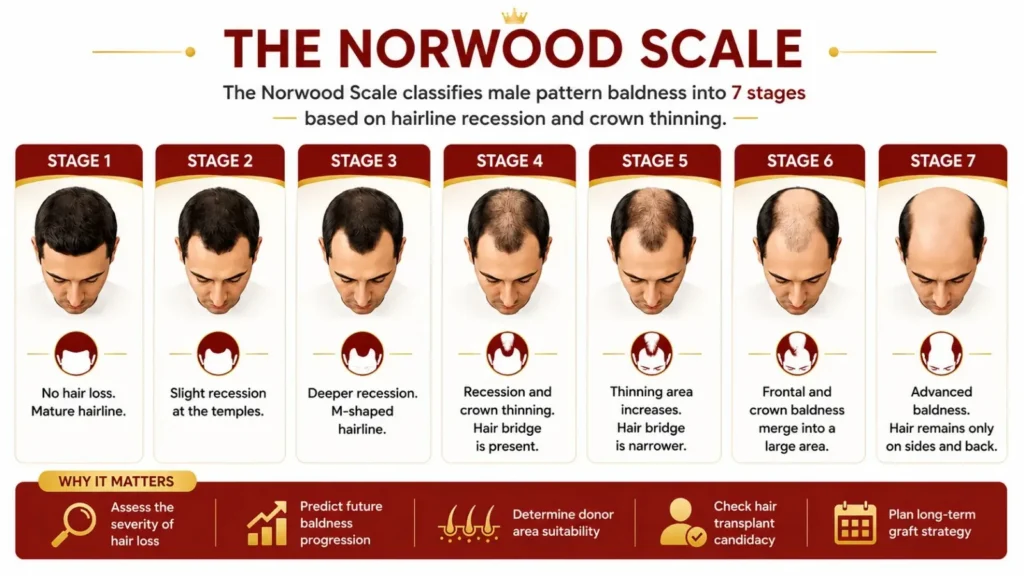
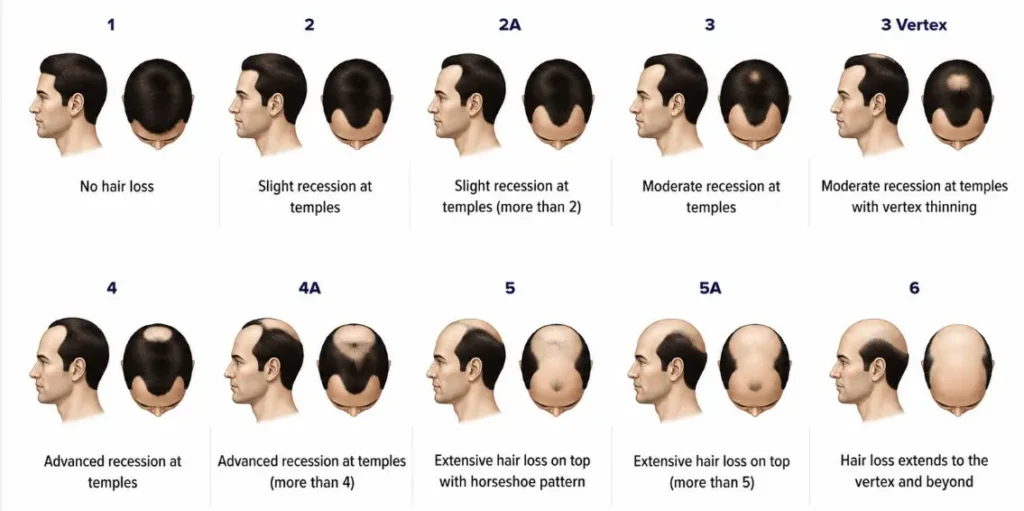
If you have started noticing a receding hairline, thinning at the crown, or increasing hair fall, you have probably googled: How severe is my hair loss, and will it continue to get worse?
The answer lies in the Norwood Scale. It is basically the most widely used system for classifying male pattern baldness. It also helps hair transplant specialists understand how hair loss is progressing. More importantly, it helps determine whether you are a suitable candidate for a hair transplant, and if so, what kind of treatment may work best for you.
According to Dr. Mayank Singh, a renowned Hair Transplant Surgeon, “The Norwood Scale is one of the most important tools used during hair transplant planning. It helps in analysing the extent of hair loss, predicting future progression, and designing a custom treatment plan that looks natural even years later.”
The Norwood Scale, developed by Dr. O’Tar Norwood, is the most widely accepted classification system for male pattern baldness (androgenetic alopecia). It divides hair loss into seven stages based on the degree of hairline recession and crown thinning.
For hair transplant surgeons, the scale serves as more than a diagnostic tool. It helps determine:

While two patients may appear to have similar hair loss, their treatment can be completely different based on multiple other factors like donor availability, hair characteristics, and expected progression. That is why it is important to understand the Norwood Scale as the first step towards effective hair transplant solutions.
Wondering where your hair loss falls on the Norwood Scale? Dr. Mayank Singh personally evaluates your stage of hair loss and provides a customized assessment before recommending any treatment. Book a Consultation to understand your condition and explore the most suitable hair restoration options.
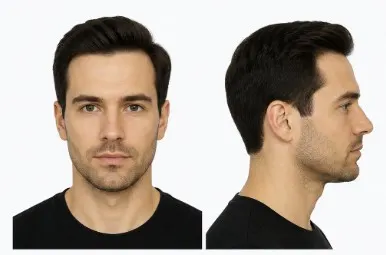
If your hair loss falls between Norwood 1 and 2, then it represents the earliest visible stage of male pattern hair loss.

Stage One generally does not require any surgical treatment at all. In this stage hairline is intact so a qualified Surgeon would just recommend observation instead of Surgery. At our clinic we just recommend to have a healthy balance diet, regular exercise and proper sleep to maintain the density of hair.
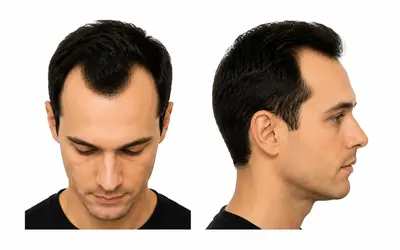
At this stage, surgical hair transplant treatment is mentioned only if the recession is affecting your facial form and confidence. Although a careful evaluation is a must because younger patients may continue losing hair over time due to several health and environmental factors. Mostly, Norwood 2-stage patients require fewer grafts, and the focus is usually on refining the hairline rather than restoring large areas of baldness.
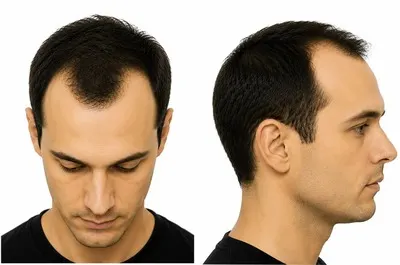
Common features include:
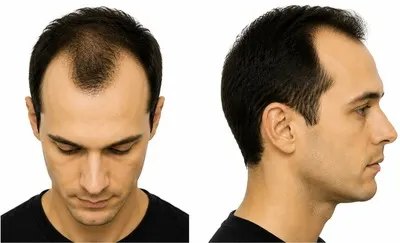
Some of the patients may experience:
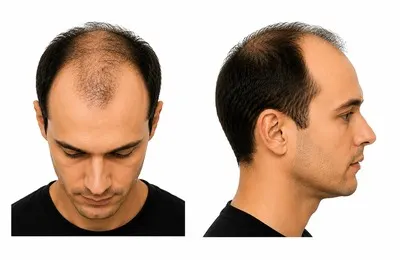
Typical signs include:
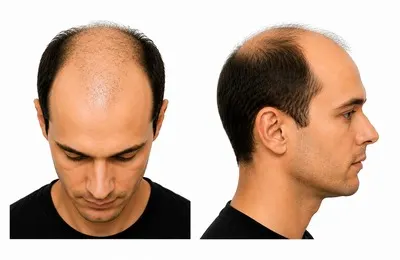
The hair transplant process requires careful planning and realistic expectations at this Norwood stage. It is often more important to provide the appearance of density than complete coverage. A successful hair transplant outcome depends on long-term planning, donor preservation, and strategic graft placement. Depending on the hair donor availability, some patients may get real benefit from multiple sessions to maximize hairline coverage.
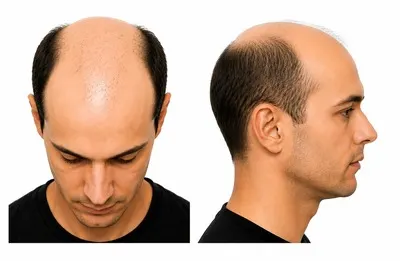
Norwood 7-stage cases are among the most challenging in hair restoration. Success depends mainly on the quality and availability of donors. Each graft is valuable; thus, meticulous preparation is required. In some cases, hair transplant doctors even propose a mix of therapies to improve the overall result. For these patients, setting realistic expectations is just as important as the procedure itself.
Our mantra at Crown is ‘No two patients experience hair loss in the same way’. Even individuals at the same Norwood stage may require different hair transplant treatment plans.
At Crown, every hair transplant consultation with Dr. Mayank offers:
This kind of strategy discussion helps ensure natural-looking results while protecting the donor area for future needs.
If you are seeing early temple recession or extensive baldness, the first step in choosing the correct therapy is to know your Norwood stage. At a session with our experienced hair transplant surgeon, you will receive a clear assessment of the pattern of your hair loss and what alternatives are best suited to your unique needs.
Dr. Mayank Singh, who has treated 18,000+ patients successfully, will help you figure out which Norwood stage you are in and what hair transplant treatment is the best choice for you.
Restore your hair at an early age through the best treatment in safe hands!
The Norwood Scale is a tool used to classify and measure the stages of male pattern baldness.
A hair restoration surgeon can look at your hairline, crown, and general hair loss pattern to give you a Norwood class.
Yes, the Norwood Scale is intended for male pattern baldness. Female hair loss is often categorized using classification methods such as the Ludwig Scale, which better describes female hair thinning patterns.
If you detect a consistent recession of the hairline, thinning at the crown or obvious hair loss, it’s best to seek a consultation as soon as possible. By getting evaluated early on, a hair restoration specialist can determine your Norwood stage and provide the best treatment options before your hair loss progresses.
©2025. Crown Hair Transplant. All Rights Reserved.
WhatsApp us