
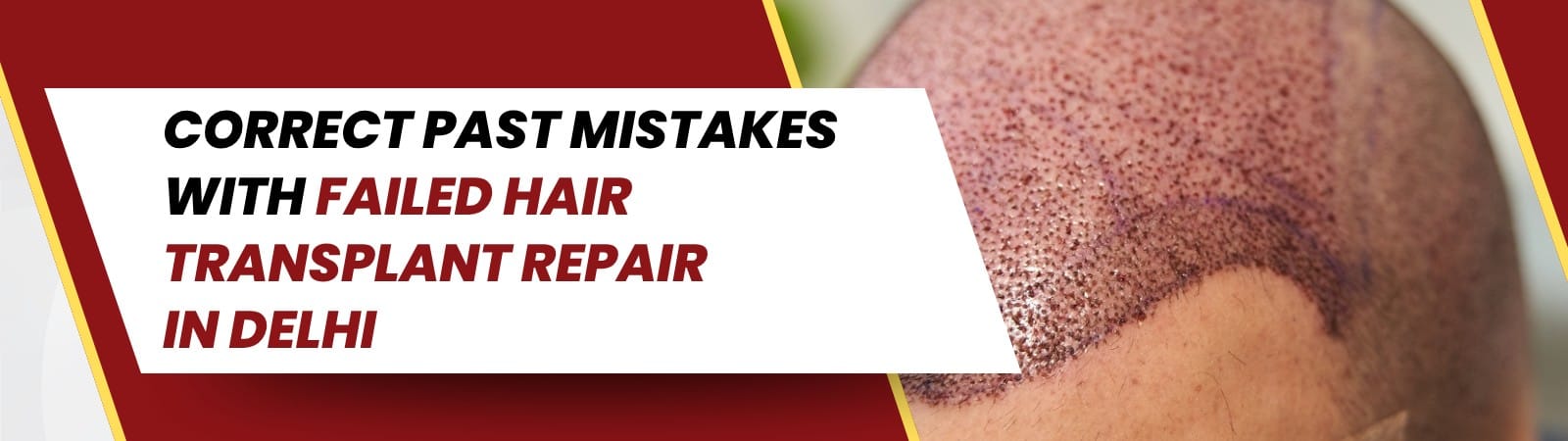
An unsuccessful hair transplant can be frustrating, especially when the results do not match expectations. Issues like uneven density, unnatural hairlines, or poor growth can affect both appearance and confidence. Many individuals feel unsure about the next step or whether correction is even possible. The good news is that with the right expertise, these concerns can be addressed effectively.
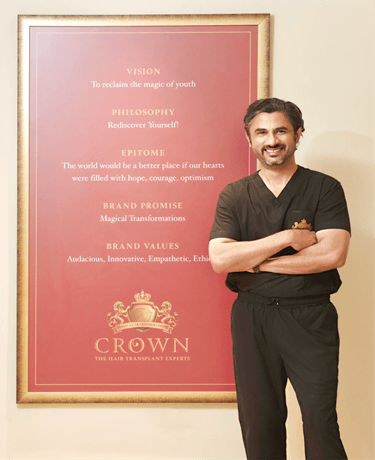
Dr. Mayank Singh, a renowned plastic and hair transplant surgeon in Delhi, explains, “Hair transplant correction requires a more refined approach than primary procedures. Each follicle must be placed strategically to improve existing results while maintaining long-term balance. Careful planning is what transforms a compromised outcome into a natural one.”
At CROWN – The Hair Transplant Experts, cases of correction are approached with greater precision and planning. We provide failed hair transplant treatment in Delhi by carefully evaluating existing follicle placement, donor capacity, and overall hair pattern before designing a correction strategy. Led by Dr. Mayank Singh, a specialist known for handling complex repair cases, the focus remains on restoring balance, improving density, and refining the hairline in a way that aligns with your natural appearance over time.
One of the key differentiators at CROWN is that the entire hairline restoration procedure is executed by Dr. Mayank Singh, a highly trained and experienced plastic surgeon. He focuses on precision, planning, and aesthetic balance to achieve a result that aligns with your facial features and long-term hair pattern.
A hairline that looks too straight, low, or misaligned with facial features.
Visible gaps or uneven distribution of follicles across the scalp.
Hair growing at odd angles, affecting overall styling and appearance.
Slower or insufficient hair growth in transplanted areas.
Hair placement that does not complement facial proportions.
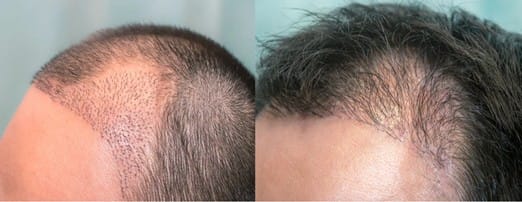
Visible thinning in the donor region due to poor extraction planning.
Limited coverage leading to visible scalp even after the procedure.
Lack of proper assessment and long-term strategy affects the overall outcome and natural appearance.
Poor extraction or implantation techniques reduce follicle survival and growth.
Less precise methods can impact density, direction, and overall finish.
Generic approaches without considering individual hair patterns lead to suboptimal results.
Variations in technique during the procedure can affect uniformity and growth.
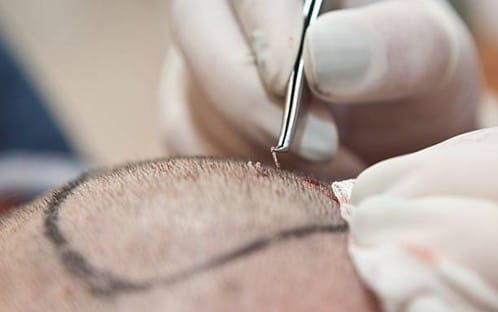
A poorly designed hairline can disrupt facial balance and aesthetics.
Overuse of donor follicles can lead to visible thinning and limited future options.
At CROWN, Dr. Mayank Singh approaches failed hair transplant repair with detailed evaluation and precision planning.
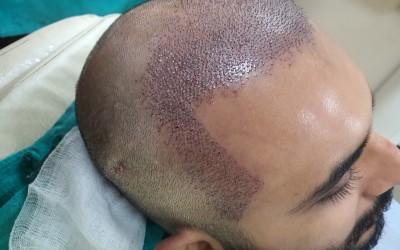
Individual follicles are carefully extracted from areas with poor placement and repositioned with improved angle and direction to create a more natural flow.
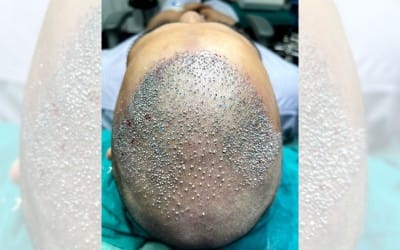
Dr. Mayank Singh strategically relocates existing follicles from dense or uneven areas to regions with low coverage, helping achieve better balance and uniform density.
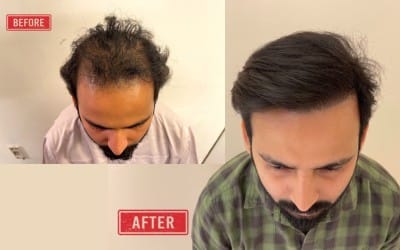
Additional follicles are implanted in sparse areas to improve fullness, ensuring a more consistent, visually natural appearance across the scalp.
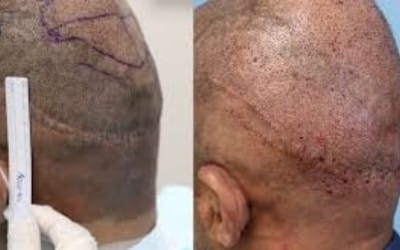
Dr. Mayank Singh employs advanced methods to improve the appearance of visible marks, blending them with surrounding hair for a smoother finish.
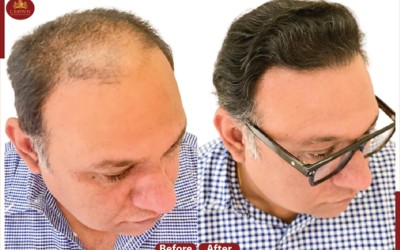
Multiple techniques are combined into a single plan to address different concerns simultaneously, ensuring comprehensive, long-lasting results.
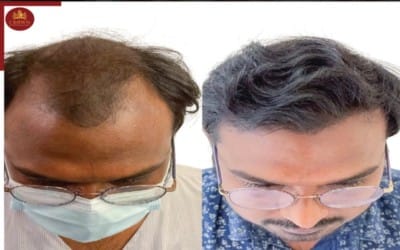
The hairline is reshaped to align with facial proportions, creating a softer, more natural contour that complements long-term hair patterns.
Thinking about the investment for correction? Let’s explore what influences the cost.
The cost of a failed hair transplant depends on multiple factors, as each correction case requires a customized approach based on previous results and current scalp condition.
Cases with minor density issues require fewer follicles, while complex corrections involving hairline redesign or multiple areas need more planning and work.
The overall cost is largely influenced by how many follicles are needed for redistribution or additional implantation, as pricing is often calculated per follicle.
Advanced techniques like repair FUE, density correction, and scar revision require greater precision, which can affect the overall cost.
Cases involving unnatural hairlines, poor placement, or donor area imbalance require more detailed correction strategies.
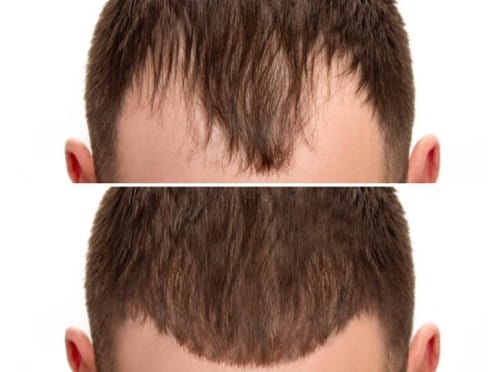
Procedures performed by highly experienced specialists with expertise in hair transplant correction are typically positioned in a premium segment.
Advanced equipment, precision tools, and personalized care protocols contribute to the overall treatment value.
At CROWN, the focus remains on delivering precise correction, natural outcomes, and long-term value through a personalized treatment approach.
Every step of the correction is performed by Dr. Mayank Singh, ensuring precision, consistency, and complete control over follicle placement.
With over 22 years of experience and thousands of procedures, he brings deep expertise in handling advanced correction cases with refined planning.
A board-certified plastic surgeon and Diplomate of ABHRS, his global certifications reflect high standards in hair restoration and correction.
Use of modern techniques ensures improved density, better direction, and natural-looking outcomes in failed hair transplant repair.
Known as a leading celebrity hair transplant doctor, he is trusted by global clients for delivering refined and consistent outcomes.
Emphasis on hairline design, density balance, and facial harmony ensures results that blend seamlessly with natural hair patterns.
Disclaimer: The information shared in this content is for educational purposes and not for promotional use.
©2025. Crown Hair Transplant. All Rights Reserved.
WhatsApp us