
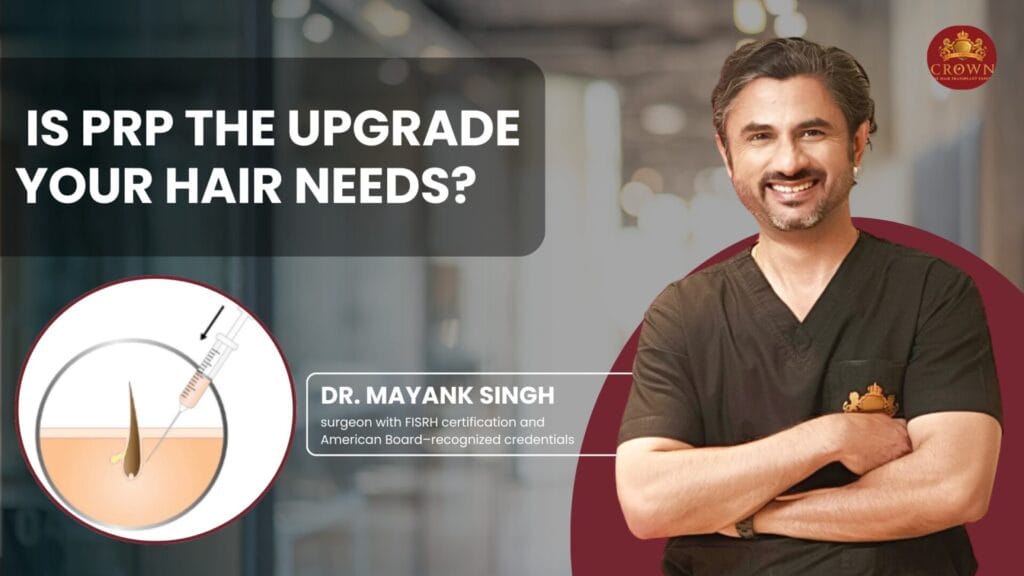
Hair thinning and early hair loss can affect both appearance and confidence, leading many individuals to search for effective yet non-surgical solutions. PRP (Platelet-Rich Plasma) therapy has emerged as a modern treatment that focuses on strengthening existing hair follicles and improving overall scalp health rather than masking the problem.
According to Dr. Mayank Singh,
PRP treatment works by using the patient’s own growth factors to stimulate weakened follicles, making it a scientifically supported option for individuals looking to enhance hair quality naturally. When performed under medical supervision, PRP can promote thicker, healthier hair while slowing the progression of hair loss.
How Does PRP Work to Improve Hair Health?
PRP targets the root cause of thinning hair by revitalizing dormant follicles and improving blood circulation in the scalp. The treatment supports natural regeneration, making hair appear fuller over time.
- Stimulates inactive follicles:
PRP contains concentrated platelets rich in growth factors that help reactivate follicles affected by thinning. This process encourages the hair cycle to shift back into an active growth phase, leading to gradual but noticeable improvement. - Enhances scalp circulation:
Better blood supply ensures that follicles receive essential oxygen and nutrients. Improved circulation creates a healthier scalp environment where hair can grow stronger and more resilient. - Strengthens existing hair strands:
Rather than replacing hair, PRP improves the thickness and durability of current strands. Patients often notice reduced breakage and better volume after consistent sessions. - Supports natural hair regeneration:
At Crown Hair Transplant, PRP is performed using advanced protocols to ensure precise delivery into targeted areas, maximizing treatment effectiveness
.For patients interested in regenerative treatments, you may also read our blog “What Should You Know About Hair PRP?”
Who Can Benefit the Most from PRP Therapy?
PRP is particularly effective for individuals in the early stages of hair thinning, but suitability depends on scalp condition and follicle activity.
- Ideal for early hair thinning:
When follicles are still active but weakened, PRP can help restore their function. Early intervention often leads to better and faster outcomes. - Helpful for both men and women:
PRP addresses common thinning patterns across genders, making it a versatile treatment option for many patients. - Complements other treatments:
Doctors sometimes combine PRP with medical therapy or transplant procedures to enhance density and long-term stability. - Personalized treatment approach:
At Crown Hair Transplant, every PRP plan is tailored after a detailed scalp analysis to align with the patient’s hair restoration goals.
Why Choose Dr. Mayank Singh or Visit Crown Hair Transplant?
Crown Hair Transplant is the right choice when you want a medically guided approach to hair restoration rather than temporary fixes. Dr. Mayank Singh, an experienced Hair Transplant Surgeon, carefully evaluates scalp health, hair loss patterns, and long-term expectations before recommending PRP. Patients should consider visiting the clinic when they notice persistent thinning, increased shedding, or reduced hair volume that does not respond to routine treatments. With advanced technology, personalized care, and a strong focus on natural outcomes, the clinic provides a trusted environment for sustainable hair improvement.
FAQ's
Most patients require 3–4 initial sessions followed by maintenance treatments for lasting results.
PRP helps slow hair thinning and improve quality, but periodic sessions are recommended to maintain benefits.
The procedure involves minimal discomfort, and numbing methods are often used to enhance patient comfort.
Early improvements may appear within a few weeks, while visible thickness usually develops over 3–4 months.